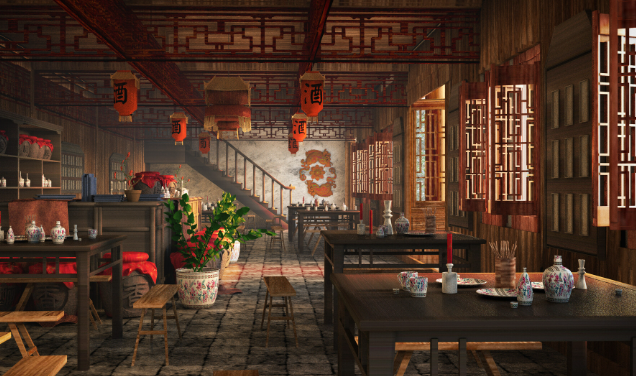
Chinese restaurant dining offers more than a satisfying meal. It creates an opportunity to explore traditional flavors shaped by regional ingredients, cooking techniques, and culinary customs that have developed across generations. Chinese cuisine https://www.newhongkongchineserestaurant.com/ includes eight major regional traditions, including Sichuan, Cantonese, Hunan, Jiangsu, Fujian, Zhejiang, Shandong, and Anhui cuisines. Each one brings its own approach to seasoning, texture, and preparation. A restaurant that respects these traditions can give diners a richer experience, especially when the menu highlights the natural character of its ingredients instead of relying on one familiar flavor profile.
Understanding Traditional Chinese Flavors
Traditional Chinese flavors come from careful combinations of savory, sweet, sour, spicy, aromatic, and umami elements. Ingredients such as ginger, garlic, scallions, soy sauce, rice vinegar, sesame oil, fermented pastes, and chili can create depth without overpowering the main ingredients. The balance changes from one regional cuisine to another. Cantonese cooking often emphasizes fresh ingredients and subtle seasoning, while Sichuan cuisine brings a distinctive spicy and numbing character through chili and Sichuan peppercorns. Hunan cuisine also embraces heat but tends to focus on direct chili intensity rather than the numbing sensation associated with Sichuan cooking.
Regional Traditions on the Menu
A Chinese restaurant menu can reveal a great deal about its culinary identity. Cantonese dishes often showcase steaming, roasting, and fresh seafood, allowing ingredients to retain their natural flavor. Sichuan specialties may feature chili, fermented bean paste, garlic, and Sichuan peppercorns. Jiangsu cuisine frequently uses careful braising and stewing, while Fujian cooking has a strong reputation for seafood and soups. Zhejiang cuisine generally favors lighter and more delicate flavors, whereas Shandong cooking often emphasizes savory seafood preparations. Exploring these differences helps diners understand why Chinese cuisine can taste completely different from one region to another.
Steamed Dishes With Delicate Flavor
Steaming remains an important technique in traditional Chinese cooking, particularly for dishes where chefs want to preserve the natural taste and texture of the main ingredient. Steamed fish with ginger and scallions offers a classic example. The fish remains tender while aromatic ingredients add fragrance without creating an overly heavy sauce. Steamed dumplings provide another popular choice, with delicate wrappers surrounding fillings made from pork, shrimp, vegetables, or other ingredients. This cooking method can create dishes that feel light while still delivering considerable flavor.
Stir-Fried Dishes and Wok Cooking
Stir-frying gives Chinese cuisine some of its most recognizable textures and aromas. Chefs cook ingredients quickly over high heat, allowing vegetables to retain their crispness while meat and seafood develop appealing textures. Garlic, ginger, scallions, soy sauce, and other seasonings can enter the wok at precise moments to build layers of aroma. The technique requires timing because different ingredients cook at different speeds. A skilled chef can combine them without turning vegetables soft or leaving proteins undercooked. This attention to heat and timing contributes significantly to the character of traditional Chinese restaurant dishes.
Slow-Cooked and Braised Specialties
Not every Chinese dish depends on intense heat and quick cooking. Braising and stewing allow ingredients to absorb seasoning over longer cooking periods. These methods can produce tender meat, concentrated sauces, and deep aromas. Anhui cuisine, for example, is known for techniques that include stewing, smoking, steaming, and braising. Red-braised preparations can develop layers of savory and slightly sweet flavor while giving the ingredients a rich appearance. These dishes often work especially well with steamed rice because the rice provides a simple foundation for the flavorful sauce.
Dim Sum and Shared Dining
Dim sum brings another dimension to traditional Chinese restaurant dining. Small portions allow diners to sample several preparations during one meal, including dumplings, steamed buns, rice rolls, pastries, and other specialties. Sharing these dishes encourages variety and makes the table feel more interactive. Diners can move between delicate steamed foods, crispy bites, savory fillings, and aromatic sauces without committing to one large entrée. The format also works well for groups who want to explore different flavors together.
Noodles and Rice as Dining Staples
Rice and noodles provide a familiar foundation for countless Chinese meals. Steamed rice can balance strongly seasoned dishes and absorb flavorful sauces without competing with them. Fried rice adds a more aromatic character through high-heat cooking with ingredients such as egg, scallions, vegetables, seafood, or meat. Noodles offer another broad category, from stir-fried preparations to noodle soups with rich broths. Northern Chinese traditions place particular emphasis on wheat-based foods such as noodles and dumplings, while rice plays a major role in many southern culinary traditions.
The Role of Fresh Ingredients
Traditional flavors work best when ingredients have good quality and freshness. Chinese cooking often uses relatively straightforward ingredients but relies on precise preparation to bring out their character. Fresh vegetables can retain a crisp texture after quick stir-frying, while quality seafood can shine through gentle steaming. Aromatic herbs and seasonings then enhance the main ingredients rather than hiding them. This approach becomes especially noticeable in Cantonese cuisine, which places strong emphasis on ingredient quality and fresh, savory flavors.
Exploring Traditional Sauces and Seasonings
Sauces can transform the personality of a dish. Soy sauce provides savory depth, rice vinegar contributes acidity, sesame oil adds fragrance, and chili-based seasonings bring warmth or heat. Fermented ingredients can introduce deeper umami notes that make sauces more complex. Sichuan cuisine, for instance, commonly combines chili peppers, Sichuan peppercorns, garlic, ginger, and fermented bean paste to create its distinctive flavor profile. Learning to recognize these ingredients can make a restaurant meal more interesting because diners begin to notice how small seasoning changes influence the entire dish.
Traditional Chinese Dishes Worth Trying
Diners looking for traditional flavors can start with dishes that demonstrate different techniques. Steamed fish can showcase gentle cooking, while mapo tofu introduces the bold character of Sichuan cuisine. Dumplings highlight delicate wrappers and flavorful fillings, and Peking duck demonstrates the importance of roasting and texture. Wonton noodles combine broth, noodles, and dumplings into one comforting dish. Braised meat can reveal the depth that develops through slow cooking. Trying several dishes from different categories creates a broader picture of Chinese culinary traditions than ordering only one familiar favorite.
Creating a Balanced Chinese Restaurant Meal
A balanced table usually includes dishes with different levels of richness, spice, and texture. A strongly seasoned Sichuan dish can pair naturally with plain rice and fresh vegetables. Crispy dishes can sit alongside soft dumplings or soup, creating contrast with every bite. Seafood can provide a lighter option next to braised meat, while noodles can add substance without requiring another heavy entrée. Sharing several dishes allows diners to build this balance naturally and experience more traditional flavors during one meal.
Experiencing Chinese Culinary Heritage
Traditional Chinese restaurant dining connects food with regional history and culinary knowledge. Recipes and techniques can pass through generations, while chefs continue adapting them to modern dining environments. Even highly refined dishes can retain links to older cooking practices. Traditional cuisine can also carry cultural meaning beyond the ingredients themselves, as historical Chinese dining traditions have connected food with ceremony, identity, and heritage. For diners, this makes a meal more than a collection of dishes. Each preparation can offer a small window into the traditions behind it.
Discovering New Traditional Flavors
The most rewarding Chinese restaurant experiences often come from exploring beyond familiar dishes. Asking about regional specialties can reveal preparations that rarely appear on simplified menus. Trying a steamed dish after a spicy entrée can show how differently Chinese chefs approach seasoning. Sampling dumplings, noodles, seafood, vegetables, and braised specialties can gradually reveal the enormous range within Chinese cuisine. Traditional flavors do not depend on one specific ingredient or cooking method. They emerge from the relationship between fresh ingredients, skilled preparation, regional traditions, and carefully balanced seasoning.