
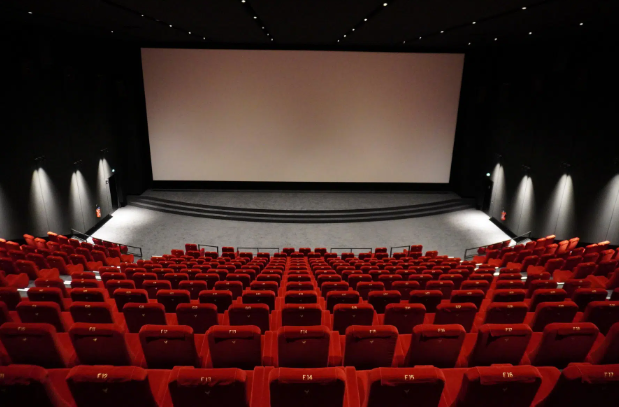
Cinema design has evolved far beyond simply placing seats in front of a large screen. Modern theaters lafayettetdclub.org aim to create an environment where audiences can fully engage with a story from the moment they enter the building. Every element, from architecture to lighting and sound, contributes to the overall experience. Thoughtful design enhances comfort, improves viewing quality, and helps transform a movie screening into a memorable event.
Architectural Layout for Better Viewing
A well-planned theater layout is essential for audience satisfaction. Modern cinemas use carefully calculated seating arrangements to provide clear sightlines for every guest. Stadium-style seating allows each row to sit higher than the one in front, reducing visual obstructions. Wide aisles improve accessibility and make movement easier. The shape of the auditorium is also designed to support balanced sound distribution and a comfortable viewing angle.
Large Screens and Visual Impact
The movie screen remains the center of the cinema experience. Modern theaters use larger and higher-quality screens to create greater visual immersion. Advanced projection technology delivers sharp images with vibrant colors and impressive detail. Large-format screens provide a wider field of view, helping audiences feel more connected to the action. High-resolution displays improve the presentation of both dramatic scenes and detailed visual effects.
Advanced Lighting Design
Lighting plays an important role in creating the right atmosphere inside a cinema. Soft lighting in hallways and seating areas helps guests move safely without distracting from the movie. Adjustable lighting systems gradually dim as the film begins, creating a smooth transition into the viewing experience. Decorative lighting in public spaces also adds character and enhances the overall appearance of the theater.
Immersive Sound Environments
Audio design is one of the most important aspects of modern cinema architecture. Speaker placement is carefully planned to create balanced and realistic sound throughout the auditorium. Advanced surround sound systems allow effects and dialogue to move naturally around the audience. Acoustic wall treatments reduce unwanted echoes and improve sound clarity. A well-designed audio environment strengthens emotional engagement with the story.
Comfortable Seating for Longer Movies
Audience comfort has become a major focus in cinema design. Modern theaters often include ergonomic seats with additional legroom and improved support. Premium auditoriums may feature reclining chairs and adjustable seating positions. Spacious layouts provide greater personal comfort during long films. Comfortable seating encourages viewers to relax and enjoy the movie without unnecessary distractions.
Interior Design and Audience Experience
The interior appearance of a cinema helps shape the overall atmosphere. Modern theaters often use stylish décor, quality materials, and attractive color schemes to create a welcoming environment. Carpets and wall finishes improve acoustics while adding visual appeal. Spacious lobbies provide areas for social interaction before and after screenings. Thoughtful interior design enhances the entire cinema visit beyond the movie itself.
Smart Technology in Cinema Spaces
Digital technology has become an important part of modern cinema design. Automated ticketing systems reduce waiting times and improve customer convenience. Digital displays provide movie schedules and promotional content. Smart climate control systems maintain comfortable temperatures throughout the building. Some theaters also integrate mobile applications that simplify ticket management and customer services. Technology improves both operational efficiency and visitor satisfaction.
Accessibility and Inclusive Design
Modern cinema design focuses on making movie experiences accessible to a wider audience. Wheelchair-friendly seating areas provide comfortable viewing options for all guests. Elevators and ramps improve access throughout the building. Hearing assistance systems support visitors with hearing hard. Clear signage and spacious walkways make navigation easier. Inclusive design ensures that more people can enjoy cinema entertainment comfortably.
The Future of Immersive Cinema Design
Cinema design continues to evolve as audience expectations and technology advance. Larger screens, enhanced sound systems, and innovative seating concepts will further improve immersion. Interactive features and digital integration may create more personalized entertainment experiences. Sustainable building materials and energy-efficient systems are also becoming priorities for modern theaters. As innovation continues, cinema design will keep creating environments that make every movie visit more engaging, comfortable, and memorable.