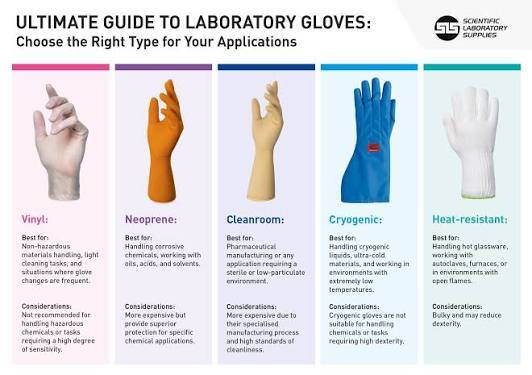
Laboratory gloves play an important role in protecting workers from potential hazards during experiments, sample preparation, and equipment cleaning. Choosing the right type depends on the materials being handled, chemical compatibility, fit, and the level of protection required for each task.
Why Protective Gloves Matter in Laboratories
Protective gloves create a barrier between the skin and potentially harmful substances. During experiments, sample preparation, and equipment cleaning, workers may encounter chemicals, biological materials, or contaminated surfaces. The right gloves help minimize exposure when used alongside appropriate laboratory procedures.
Gloves should form part of a broader safety strategy that includes proper training, suitable protective clothing, and effective hygiene practices. Reviewing https://www.glovesupply.us/ guidance can help workers understand essential precautions for laboratory environments.
Choosing Gloves Based on Material
Different glove materials offer different protective properties. Nitrile gloves are commonly used because they provide flexibility and resistance to many oils and chemicals. They also offer an alternative to natural rubber latex for individuals who need to avoid latex proteins.
Latex gloves provide elasticity and tactile sensitivity, which can be useful for tasks requiring precise hand movements. However, latex proteins may trigger allergic reactions in susceptible individuals. Vinyl gloves may suit certain low-risk activities, but they generally provide less durability and chemical resistance than many nitrile alternatives.
No single material protects against every laboratory hazard. Workers should consult chemical compatibility charts and manufacturer information before selecting gloves for specific substances or procedures.
Laboratory Gloves and Chemical Resistance
Chemical resistance is one of the most important factors when choosing protective gloves for laboratory work. Some chemicals can penetrate glove materials, while others may cause swelling, weakening, or deterioration. These changes can reduce protection even when the gloves appear intact.
Workers should identify the substances they will handle and check the recommended glove material, thickness, and contact time. They should also consider whether the task involves brief splashes or prolonged contact, since these situations may require different protection.
For hazardous chemicals, laboratory personnel should consult safety data sheets and established risk assessments before beginning work. Appropriate chemical safety practices help workers evaluate potential exposure and select suitable protective equipment.
Finding the Right Laboratory Glove Fit
A glove must fit properly to provide practical protection without restricting movement. Gloves that are too tight may cause discomfort or tear more easily, while oversized gloves can reduce grip and make delicate tasks harder to perform.
Laboratory workers should choose a size that allows natural finger movement and secure handling of instruments. They should inspect gloves before use and replace any pair that shows visible damage, contamination, or signs of deterioration.
Comfort also matters during extended laboratory sessions. Selecting gloves with suitable flexibility and thickness can help maintain dexterity while meeting the protection requirements of the task.
Safe Use and Replacement of Laboratory Gloves
Proper glove use involves more than selecting the correct material. Workers should follow laboratory protocols for putting on and removing gloves, avoid touching shared surfaces with contaminated gloves, and change gloves whenever the task or exposure risk requires it.
Single-use gloves should never be reused when doing so could compromise protection. After removal, workers should dispose of contaminated gloves according to laboratory waste procedures and perform hand hygiene as required.
Following proper laboratory glove handling guidance helps reinforce consistent practices when handling potentially hazardous materials. Laboratory supervisors should also ensure that suitable glove types are available and that staff understand their limitations.